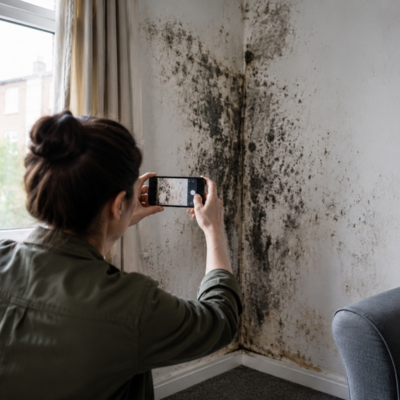
Housing Disrepair Claims

We have a specialist team dedicated to this area of law waiting to assist you with housing disrepair claims, tenancy deposit and arrears issues.

This service is offered nationwide from our Bury Office.

Our specialist property litigation lawyers have successfully handled numerous housing disrepair claims, as well as property damage cases, on behalf of tenants.

Our legal team can help you if you have suffered due to your landlord’s failure to carry out repairs. We specialise in housing disrepair claims and can assist in ensuring your landlord completes the necessary repairs to your home at no cost to you. Additionally, we can help secure the compensation you are legally entitled to and deserve.

We also regularly advise landlords on the consequences of failing to comply with the law and their duties to tenants regarding housing disrepair claims.

Ask us a question

Tenants:
Is your property in need of repair? You may be entitled to compensation through housing disrepair claims!

What is Housing Disrepair?

Your landlord has a legal duty to maintain the structure of your home and ensure the property is kept in a good state of repair and that you and other occupiers are able to live in the property safely and comfortably.

If you have notified your landlord of any of the following types of issues and they have failed to repair them within a reasonable period of time, you may be entitled to compensation:

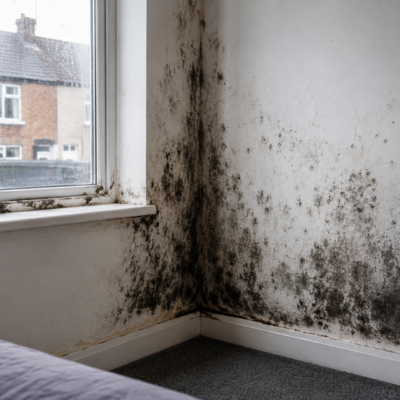
  • Damp or mould on walls, ceilings, skirting boards, flooring or ceiling
  • Water damage from leaks from the roof, doors, windows, radiators, bathroom or kitchen fittings or pipework
  • Defective or leaking roof, guttering downpipes or drains
  • Defective or rotten windows and doors
  • Defective bathroom fittings
  • Internal damage to wallpaper, paint, carpets/ floorcoverings and curtains
  • Defective electrical wiring, sockets or other fixtures such as extractor fans
  • Defective heating systems and radiators
  • Draughty doors or windows
  • Defective gas and water pipe work
  • Mice, rats or other pests
  • Any other damage to your property no matter how minor
Mould and Damp - Housing Disrepair

How much compensation are you entitled to for your housing disrepair claim?

Our specialist lawyers will consider a number of factors when evaluating your claim for compensation such as the level of stress and inconvenience suffered by occupying the property or whether you have had to move out of the property because of the disrepair. We will also consider whether damage has been caused to your personal property or belongings as a result of any disrepair.

Factors that are taken into account with a housing disrepair claim, include:

  • The length of time you’ve suffered as a result of the disrepair
  • Whether you have had to move into another property
  • Damage to personal belongings – please keep photos and receipts if possible for any items that have been damaged as a result of disrepair
  • Evidence provided to show state/ condition of the property and of any loss or damage. Again if possible take photos or videos and record damage to clothing or furniture that may need to be disposed of
  • The severity of any ill health or injury caused. It is important that you keep records of visits to your GP or hospital detailing the injury or ill health

What are the risks associated with housing disrepair?

  • Damage to belongings caused by escapes or ingress of water;
  • Increased heating bills incurred as a result of draughty windows, humidity related issues, doors or cracks/ holes in the roof or walls;
  • Coughs, colds, sickness or respiratory problems caused by ingress of water, mould and/or dampness;
  • Injuries caused by dangerous or poorly maintained brickwork, joinery, plumbing and electrical installations;
  • Illness or fatalities caused by an inadequately serviced central heating boiler or other gas appliances causing carbon monoxide to escape;
  • Fire and electrocution risk caused by poorly maintained electrical wiring or electrical installations for which your landlord is liable.


If you have suffered damage to your personal belongings or household contents, experienced illness, injury, or stress due to your landlord’s failure to repair your home, and you want to get your property repaired and make a housing disrepair claim for compensation, please speak with one of our friendly specialist lawyers today. Our experts offer “No Win No Fee” for housing disrepair claims, meaning that if your claim is not successful, you won’t have to pay anything.

Frequently Asked Questions: Housing Disrepair & Tenants’ Rights

Living in a home with neglected maintenance can severely impact your health, safety, and quality of life. Below, we have answered the most common questions regarding your legal rights under British housing law, tenant protections, and how our strict No Win, No Fee legal services can force your landlord to carry out essential repairs while securing the financial compensation you are rightfully owed.
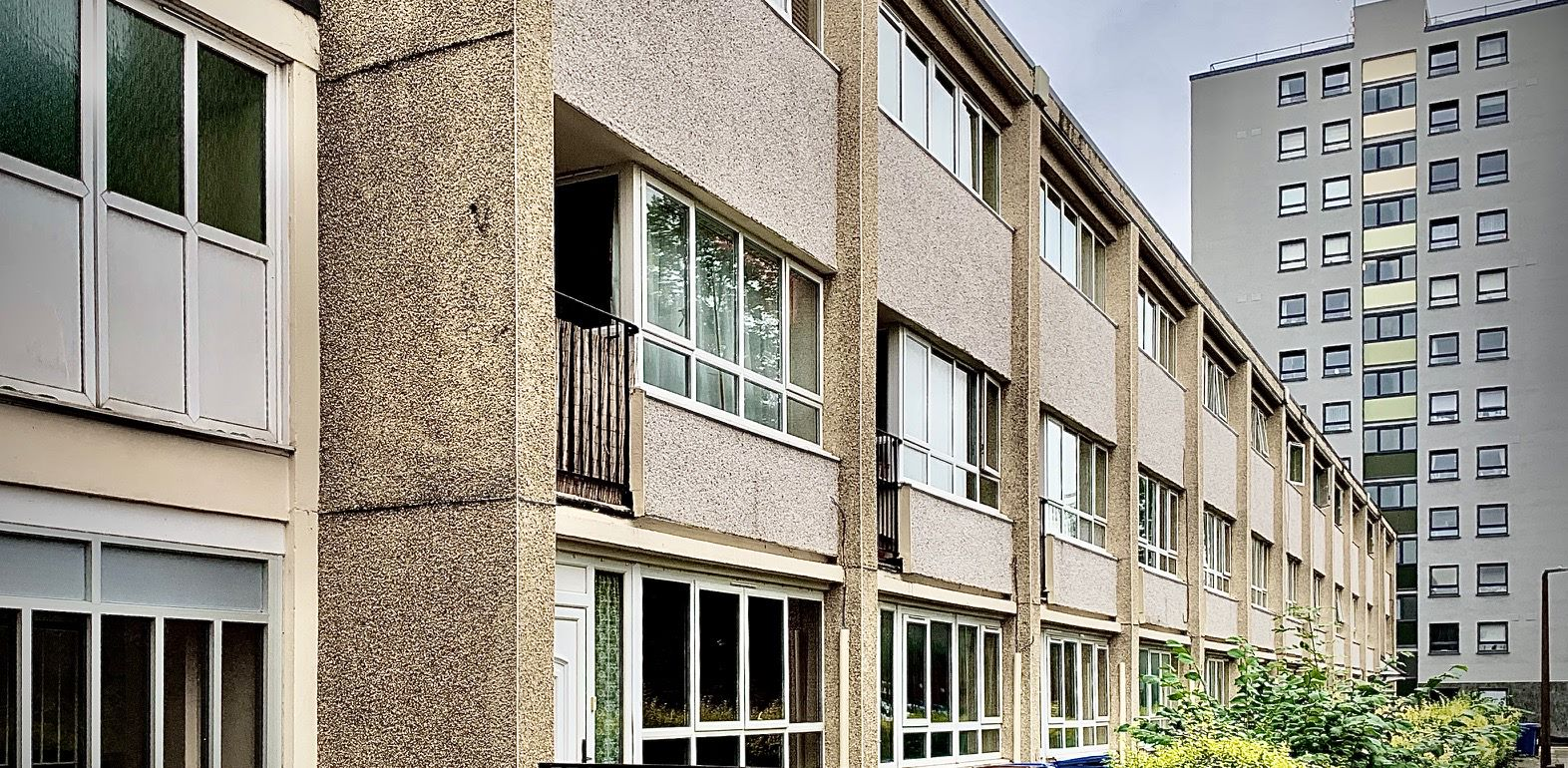
Why should I choose GLP Solicitors for my housing disrepair claim?

GLP Solicitors provides clear, practical, and fearless legal representation to tenants trapped in substandard housing. With over 50 years of experience, we know exactly how to hold non-compliant landlords to account. We assess your circumstances, protect your legal rights, and handle your case on a strict No Win, No Fee basis, forcing your landlord to complete all necessary structural repairs whilst securing the financial compensation you are legally owed.

What is a housing disrepair claim?

A housing disrepair claim is a formal legal process brought by a tenant against a landlord who has failed to maintain a property to the mandatory legal standards. Under British housing law, landlords must ensure a property is safe, secure, and structurally sound. A claim legally compels them to fix actionable defects and pays you damages for the time you had to live in a compromised home.

Can I make a housing disrepair claim?

You can bring a claim if you are a social, council, or private tenant, and your landlord has failed to carry out required repairs within a reasonable timeframe after being officially notified of the issues. If you have reported a defect in writing and it remains unresolved, you likely have valid grounds for legal action.

What types of disrepair can I claim for?

Under Section 11 of the Landlord and Tenant Act 1985, your landlord is strictly responsible for a vast array of maintenance issues. Actionable disrepair includes:
-Severe rising damp and toxic black mould.
-Leaking roofs, faulty gutters, and internal pipe bursts.
-Broken boilers, defective heating systems, and hot water failures.
-Faulty electrical wiring or hazardous gas installations.
-Structural defects (unstable masonry, severe wall cracks, or rotten flooring).
-Pest, vermin, or insect infestations caused by underlying structural issues.

Can I claim for damp and mould?

Yes. Damp and mould are among the most widespread and legally significant reasons tenants bring claims. If a structural defect (such as a leaking roof, failed damp-proof course, or defective window seals) has caused damp or black mould to spread, and your landlord has failed to remedy it after being notified, you have a clear right to seek repairs and compensation.

Can I claim if my landlord ignores my repair requests?

Yes. Legally, a landlord has a “reasonable time” to act once they are aware of a defect (usually 14 to 21 days for urgent issues). If your landlord continuously ignores your emails, text messages, or phone calls, or sends contractors who carry out cheap, temporary patch-up jobs, they are in breach of their statutory duties, and you can launch a claim.

Can I claim against my housing association?

Yes. Housing associations are bound by strict statutory housing regulations. If your housing association has neglected your estate or ignored your formal complaints, we can use our extensive housing expertise to bypass their internal bureaucracy and launch formal legal proceedings to force action.

Can I claim against the local council?

Yes. Local authorities have a strict legal duty of care to maintain the social housing stock they rent to tenants. If council repair queues have left you waiting months or years for basic maintenance, a housing disrepair claim can legally expedite the work and penalise the council for the unreasonable delay.

Can I claim against a private landlord?

Yes. Private landlords must comply with the exact same structural maintenance laws as councils and housing associations. If a private landlord refuses to maintain your home to a safe, liveable standard, they are breaking the law, and we can pursue them for full repair compliance and damages.

Do I need to move out to make a claim?

No, in fact, you must remain living in the property to bring an active housing disrepair claim. You cannot move out and launch a claim for ongoing repairs, as the legal process requires you to have an active tenancy at the affected address. Remaining in the property is also essential because it allows our independent environmental surveyors direct access to inspect, photograph, and legally document the ongoing disrepair inside the home.

Can I claim if I have already moved out?

No. You cannot bring a housing disrepair claim if you have already moved out and ended your tenancy at the property. Legal action for housing disrepair requires you to be a current tenant living in the affected home, as the primary objective of the claim is to legally compel the landlord to carry out repair works to your active living space. Once you vacate the property and surrender the tenancy, your right to launch a disrepair claim for that address closes.

Can I claim if the mould or damp has made me ill?

Yes. If housing defects like toxic black mould, pervasive damp, or a total lack of heating have directly caused or worsened a medical condition (such as asthma, respiratory infections, severe allergies, or chronic anxiety), you can claim additional “personal injury” damages. We will coordinate the necessary independent medical reports to link your health issues directly to the disrepair.

Can I claim if my children’s health has been affected?

Yes. Children are highly vulnerable to the health hazards of damp, freezing, or mouldy accommodation. If your children have suffered respiratory illnesses or required medical intervention due to the living conditions, this will form a critical, heavily weighted component of the compensation package we build against your landlord.

Can I claim for damaged belongings?

Yes. If your personal possessions, such as clothes, furniture, carpets, bedding, or electrical items, have been ruined by leaking water, damp, or spreading black mould, you can claim for the replacement cost of these items.

How much compensation could I receive?

Compensation is calculated based on several distinct factors: the severity of the disrepair, how long it has been left neglected, and the total percentage of your home rendered unusable or uncomfortable. Payouts are typically awarded as a percentage rebate of your rent for the entire duration of the disrepair, alongside additional payouts for damaged belongings and proven health impacts.

Is my housing disrepair claim genuinely No Win, No Fee?

Yes. We handle qualifying housing disrepair claims under a Conditional Fee Agreement (CFA). This means there is absolutely zero financial risk to you. If your claim is unsuccessful, you will not owe us a penny. If we win the case and recover financial compensation for you, our success fee is deducted directly as a capped portion of the damages recovered, meaning you never pay out of your own pocket.

Will I have to pay anything upfront?

No. When your case is taken on under a No Win, No Fee agreement, you will never be asked for upfront legal fees or hidden administration costs. We cover the initial costs of launching the claim, including funding the expert independent surveyors needed to inspect your property.

What happens if my claim is unsuccessful?

In the rare event that your claim does not succeed, our No Win, No Fee agreement protects you from paying our legal fees. We will thoroughly explain the exact terms of your agreement and any protective insurance options before any work begins, ensuring you have total clarity and peace of mind from day one.

Should I stop paying my rent?

No. Under no circumstances should you withhold or stop paying your rent. Even if your landlord is completely ignoring their repair duties, withholding rent puts you in breach of your tenancy agreement and can give your landlord legal grounds to evict you for arrears. Always maintain your rent payments to protect your legal standing.

Can my landlord evict me for making a housing disrepair claim?

The law provides strong protections against “retaliatory evictions.” Social housing and council tenants possess highly secure tenancies and cannot be evicted for exercising their legal rights. For private tenants, a landlord cannot easily use a Section 21 “no-fault” eviction notice if a formal housing disrepair process is underway and the local authority’s environmental health team has intervened.

What evidence do I need to support my claim?

To build an ironclad case against your landlord, the strongest evidence includes:
Photographs and videos documenting the defects (with close-ups of mould, leaks, or cracks).
Written proof of notice (copies of emails, text messages, letters, or app screenshots showing you reported the issues to the landlord).
Doctor’s notes or medical records if the conditions have impacted your health.
-A copy of your active Tenancy Agreement.

Should I keep ongoing photographs of the disrepair?

Yes. It is vital to maintain a running photographic and video log. Take clear images when the disrepair first appears, and continue taking dated photos over time to prove to the court that the issue is actively worsening and that the landlord has failed to step in.

What happens after I contact GLP Solicitors?

Once you reach out, our dedicated intake team will review your situation in a free, confidential assessment. If your case meets the threshold for a claim, we will set up your No Win, No Fee funding agreement.

How long does a housing disrepair claim take?

The timeline varies depending on the responsiveness of your landlord and the complexity of the repairs needed. Straightforward cases where the landlord admits liability can be resolved in 3 to 6 months. If a landlord disputes the defects or delays the repairs, cases can take longer. However, our primary objective is always to force emergency repair works through within the first few weeks of engagement.

Will my landlord be legally forced to carry out the repairs?

Yes. Securing a formal legal order compelling your landlord to carry out all necessary repairs to a professional standard is the primary goal of our housing claims. We don’t just fight for your compensation; we fight to make your home safe and habitable.

Will I have to go to court?

The vast majority of housing disrepair claims are successfully settled out of court through negotiation. Landlords usually prefer to settle rather than face expensive court trials. If your landlord refuses to cooperate and a court hearing becomes necessary, your dedicated GLP solicitor will manage the entire litigation process and support you every step of the way.

Will I have a dedicated solicitor, and how will you keep me updated?

Yes. Your case will be managed by a named specialist within our dedicated housing team. You will have their direct telephone extension and email address from the very start. We keep you updated according to your personal preference, whether that is via phone calls, direct emails, or traditional letters. You will never have to navigate an anonymous call centre.

How will GLP Solicitors keep me updated?

We adapt our updates entirely to what makes you feel most comfortable. Your assigned specialist will establish your primary point of contact (such as a personal email or direct phone line) at the launch of your claim. We reach out with clear, plain-English notifications at every strategic milestone, ensuring you are never left wondering about the status of your housing case.

What should I do before contacting GLP Solicitors?

Gather whatever documentation you currently have available, such as your tenancy agreement and any recent messages sent to your landlord. If you do not have everything saved, do not worry, contact us anyway, and our housing specialists will advise you on how to request copies of your housing files.

How do I get started?

Getting started is quick and simple. You can reach the GLP Solicitors housing team today by calling our freephone number on 0800 111 6370/08009151818/01617641818, emailing us directly at enquiries@glplaw.com, or filling out the secure online enquiry form on our website. We will take over the fight from there.

Give us a call to discuss

call us on 0800 111 6370

Key Facts: Housing Disrepair Claims

  • The Landlord’s Legal Duty: Under Section 11 of the Landlord and Tenant Act 1985, all landlords must maintain the structure, exterior, heating, wiring, and plumbing of your home. The Homes (Fitness for Human Habitation) Act 2018 further requires properties to be completely safe and free from health hazards like toxic mould.
  • You Must Remain in the Property: To bring a valid housing disrepair claim, you must be a current tenant living in the affected home. You cannot launch a claim if you have already moved out or surrendered your tenancy.
  • The Landlord Must Be Notified: You must formally report the disrepair to your landlord (ideally in writing) and allow them a reasonable window (usually 14 to 21 days) to fix it before legal action can be taken.
  • Never Withhold Your Rent: You must continue to pay your rent during a disrepair dispute. Withholding rent breaches your tenancy agreement, risks eviction, and severely damages your legal position.
  • Actionable Defects: Claims commonly cover severe damp and black mould, broken boilers or hot water systems, leaking roofs, faulty electrical wiring, and pest infestations caused by structural holes.
  • What a Claim Achieves: A successful case secures a legally binding order forcing your landlord to complete all repairs properly, alongside financial compensation for your distress, and damaged belongings.
  • Zero Financial Risk: Eligible cases are handled on a No Win, No Fee basis. You pay nothing upfront, and if the case is unsuccessful, you don’t owe us a penny.

Can we also help with?